Alsace Wine Days That Include the Tasting, and the Ones That Do Not
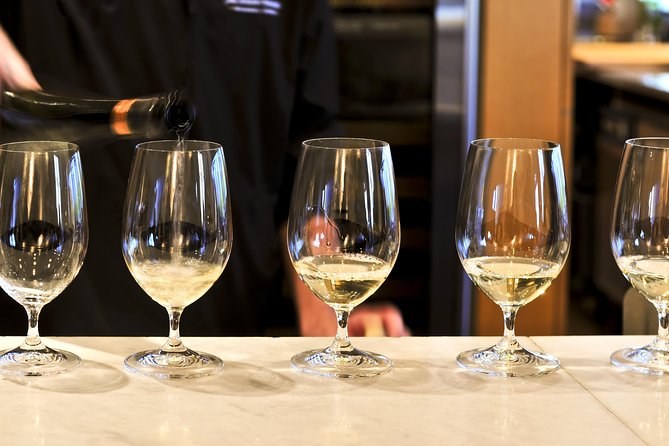
The short answer. Most guided days on the Alsace Wine Route put the tasting inside the price, and you hand nothing over at the cellar door. A handful do not. One day through the villages and the castle pours no wine at all, the open-top bus excludes winery visits outright, the big day out of Colmar stops at a cave where you buy what you taste, and one village walk sells the tasting as an extra. The fare tells you which, if you know where to look.
How to read a fare before you book
Every listing splits into what is in the price and what is not. Wine turns up in either column, or in neither, and the wording is consistent enough to trust. Learn these five shapes and you will never be surprised at a counter. Still comparing? The fares are lined up for you on Alsace Wine tour, with what each one pours marked against it.
| What the fare says | What you actually pay | How it feels on the day |
|---|---|---|
| “Wine tasting” in the included list | Nothing more | You are poured, you drink, you move on |
| “Wine tasting (available to purchase)” | At the counter, on the day | A working cellar, and a card in your hand |
| “Winery tours and tastings” under exclusions | Everything | Transport only; you arrange the cellar |
| “Optional wine tasting” in the title | An extra, chosen at booking | A walk first, a glass only if you asked |
| No mention of wine anywhere | There is none | The trap: a wine-route day with no wine |
When the tasting is already paid for
This is the normal case here, and it is the reason most people book at all. A driver-guide takes you to a grower, somebody walks you round, and the glasses are covered. You taste, you ask questions, and you buy a bottle only if you want to carry one home.
What you are poured varies with the estate and the season. Alsace works almost entirely in white: nine bottles in ten made under the regional appellation are white wine. Riesling and Gewurztraminer come up most often, along with Pinot Gris and Muscat, and those four are the varieties generally allowed in a grand cru. There are 51 grand cru appellations in Alsace, and what they mean is set out on the vineyard page.
The day that pours nothing at all
One of the best-reviewed days on the route visits Colmar, a walled village and the castle, and never opens a bottle. Its own included list names a guided walk, the castle entry and the transport, and no wine. Its web address happens to end in the words “wine tasting”, which is how travellers get caught.
It is a good day. It is simply not a wine day, and if the glass is what you came for, book something else. The reverse is true as well: if you want the ramparts more than the cellar, that is the one to take, and which fares carry the castle entry goes through it in detail.
Transport only: the open-top bus
The convertible bus that runs the wine route is the clearest case of all. Its exclusions name “winery tours and tastings” in so many words. It is transport, and good transport, but it is not a wine day. What you buy is a day ticket and a seat in the open air between six villages.
That can be exactly right. You hop off where you like, walk in, find a cellar with an open door and pay for what you taste. It is the nearest thing to driving the route without driving it. Just do not expect a guide to pour for you, and check the season before you plan around it: the bus does not run all year.
Bought at the cave
The big day out of Colmar through four villages sits in the middle. The stop at the wine cave is in your fare. The wine you taste there is not: the listing files it under what you buy on the day, and no price is published for it in advance. Take a card.
Plenty of people prefer this. You choose what you taste instead of drinking what a fixed tasting pours, and you can leave having bought nothing. But it is the single thing readers get wrong about that day, so it is stated plainly on the day tour through four villages as well.
Sold as an option
The short walk around the walled village on the route names its wine tasting as optional in its own title. You book the walk; the glass is a choice you make when you book, not something that appears at the end. For a two-hour walk at the cheapest fare here, that is a fair way to sell it.
What is never in the fare, whichever you book
- Bottles you take home. Tasting is one thing, the shop is another, and nobody here obliges you to buy.
- Tips. Excluded on nearly every listing, and entirely up to you.
- Lunch, with a single exception: the estate day at Gertwiller feeds you, and the day that comes with a meal explains what is served.
- Castle admission, unless the fare says otherwise. Haut-Kœnigsbourg charges at its own gate.
- Museum entry. The Unterlinden in Colmar charges €14 for an adult, and no wine day covers it.
So which should you book?
Start from what you want in the glass. If the wine is the point, take a day whose included list names the tasting, and read that list rather than the title. If the villages are the point, the cave-stop day gives you more time on cobbles and lets you decide about the wine on the spot. If you would rather drive your own day, the bus ticket is the cheap way to do it without a hire car.
Whatever you choose, check the minimums before you count on it: several days here need two adults on the booking to run at all, and the visitor guide lists which. The frequently asked questions cover the rest, and Alsace wine tours from Colmar are gathered in one place if that is where you are staying.
Days where the wine is already paid for
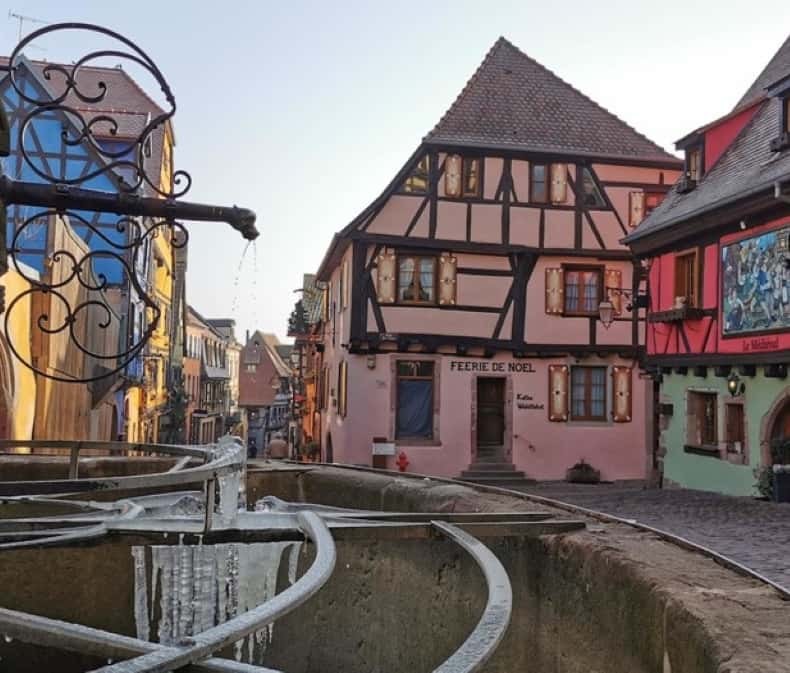
Alsace: Half-Day Wine Tour from Colmar
An afternoon from Colmar: Hunawihr, an hour in Riquewihr and up to ninety minutes underground, with six wines poured for you before you come back.
From $113 per person
Check Availability
Alsace Wine Route Wineries & Tasting Small Group Guided Tour from Strasbourg
Eight hours given wholly to the Route des Vins, with three tastings in the fare and stops at Mittelbergheim, Dambach-la-Ville, Ribeauvillé and Riquewihr.
From $193 per person
Check Availability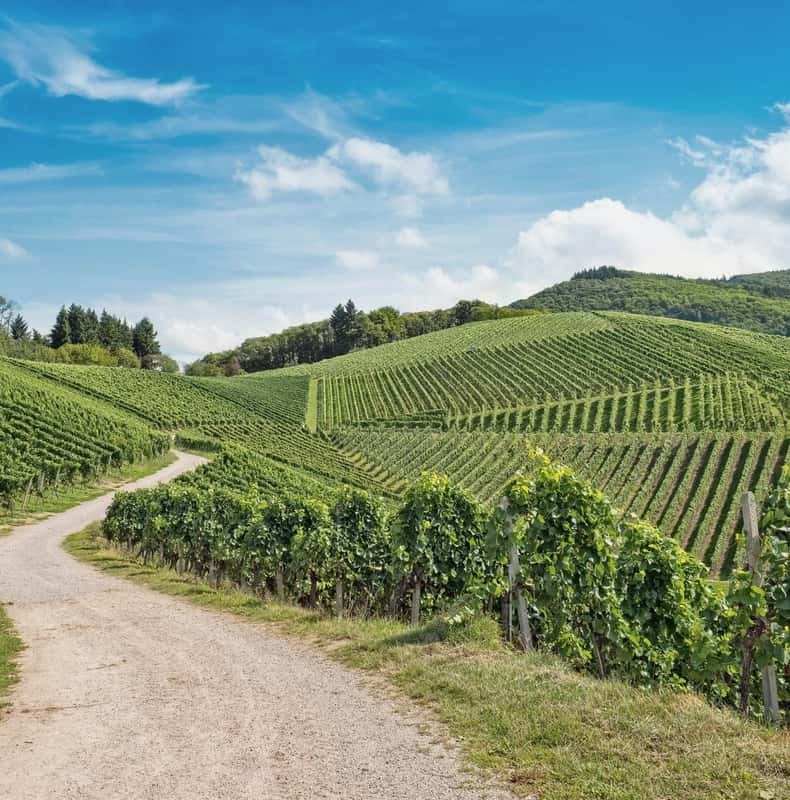
Near Colmar: Guided visit of vineyards and cellar + Tasting of 6 Alsace wines
Three hours at one estate near Colmar: an hour in the vines, an hour in the cellar and the vat room, then six Alsace wines at the table. You arrive under your own steam.
From $65 per person
Check AvailabilityNext: Work out which town to start from in Strasbourg or Colmar. Every fare sits side by side on Alsace Wine Tours.