What a Half-Day Alsace Wine Trip Fits Into Four Hours
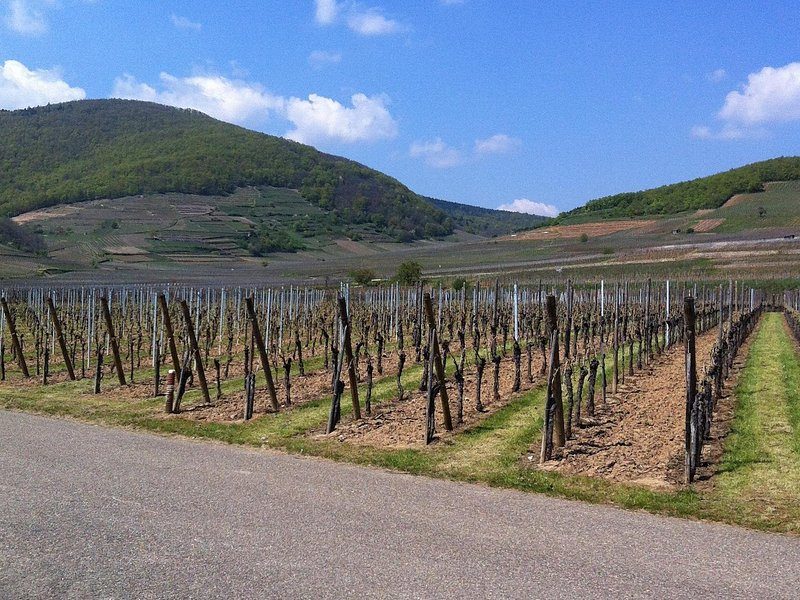
The short answer. A four-hour wine trip out of Strasbourg gives you roughly two hours twenty on the ground and spends the rest on the road. That is enough for one proper village and a tasting, or for two shorter town stops with a tasting in each. Out of Colmar the same money buys three and a half hours with barely fifteen minutes of it lost to driving, because the vineyard starts at the edge of town.
Where the four hours actually go
The stop times come from the listings themselves rather than from a brochure, which is why they are worth reading. The same four-hour run is written up in more than one place, and the fullest description breaks it down like this. Comparing short days before you book? They sit together on Alsace Wine ticket prices.
| The four hours | The figure | What it means |
|---|---|---|
| Door to door | 4 hours | Back at the same kerb you left from |
| Actually on the ground | About 2 h 20 | Everything you will remember happens here |
| The longest single stop | 95 minutes | One village, walked properly |
| The tasting itself | About 45 minutes | Enough for a grower to pour and explain |
| Left for the road | About 1 h 40 | The plain out, the plain back |
Nothing there is wasted, but it does set your expectations. Four hours is a village and a cellar, not four villages and three cellars. If the second is what you pictured, you want a full day, and the fares for those run from $143 to $246.
The drive is the variable
Strasbourg sits off the northern end of the Route des Vins with a plain in between, so every short day from there starts with a run out and finishes with a run back. That is the hour and forty minutes in the table. It is not dead time: you are looking at the Vosges on one side and the vineyard rising towards them, and the driver-guide usually talks while they drive.
But it is time you do not get back. A half day from the other town on the route keeps far more of itself for the vineyard, and the arithmetic behind that is the whole argument for choosing a base before you choose a tour.
What two tastings actually buys
On the short run out of Strasbourg the fare covers the winery visits and both tastings. That is the thing to check, because it is what separates the fares. You are taken into a working cellar, somebody pours, and you leave without paying anything at the door. Six wines across the two stops is what travellers commonly report.
What you will meet is white, overwhelmingly: Riesling and Gewurztraminer first, then Pinot Gris and Muscat. If the labels are new to you, read the vineyard page on the way out. It takes ten minutes and makes the tasting twice as interesting.
One village, or two towns?
The short days out of Strasbourg split into two shapes. One gives 95 minutes to a single village, Obernai, and adds a 45-minute tasting on the route. The other spreads the four hours over two wine towns with a tasting in each, plus a cellar. Neither is better; they answer different questions.
Take the single village if you want to walk somewhere properly, sit down, and look at buildings. Take the two towns if the wine is the point and the streets are the backdrop. The half day out of Strasbourg is the second shape, and it is the most booked short trip here.
Half a day from Colmar is a different animal
Three and a half hours, and almost all of it on the ground: 45 minutes at Hunawihr, an hour in Riquewihr, and up to an hour and a half in a cellar with six wines poured. It leaves at 1:45pm, which is late enough to let you arrive in the morning and still go.
That is what proximity buys. The trade is that you have to be in the right town to take it, which is why the choice of base does more work than the choice of tour.
Shorter than half a day
- Ninety minutes, no vehicle: a private guided tasting in central Strasbourg, for your party only.
- Two hours on foot: a guided walk through Colmar's old town that finishes in a wine cellar, with the tasting in the price.
- Two hours in a walled village: the cheapest thing here at $36, with the tasting sold as an option.
- Three hours at one estate: an hour among the vines, an hour in the cellar and vat room, then six wines at the table.
Any of those fits an afternoon with room to spare, and three of them need no vehicle at all. They also cost a good deal less than a half day with a minivan attached.
When a half day is the wrong call
If you want Haut-Kœnigsbourg, a short day will not reach it: the castle days run eight hours and up, and which fares carry the castle entry sets out which. If you want lunch included, no short day does it. And if you are travelling with under-18s, the short wine runs out of Strasbourg are adults only, while the longer village days take children.
Getting the most out of four hours
Eat beforehand, because no snacks come with the wine. Be at the kerb ten minutes early: these vehicles leave on time and there is no catching them up. Bring a bottle of water, and something to carry a bottle of wine home in if you think you will buy one. And ask questions in the cellar, since the grower is usually the person pouring.
Then keep the rest of the day light. Four hours in the vineyard with two tastings in it is more of a day than it sounds, and the evening is better spent in a village or a town square than on another booking. The frequently asked questions cover the practical leftovers.
Short days on the Alsace Wine Route
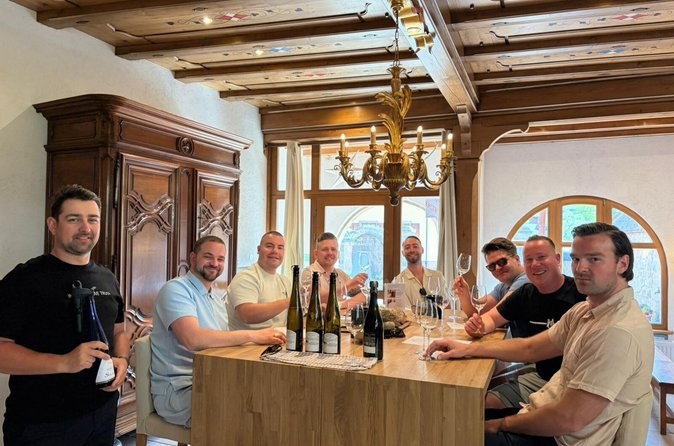
Alsace Wine Route Small Group Half-Day Tour with Tasting from Strasbourg
Four hours out of Strasbourg with two wine towns, two tastings and a cellar, all inside the fare. Eight seats, morning or afternoon, adults only.
From $114 per person
Check Availability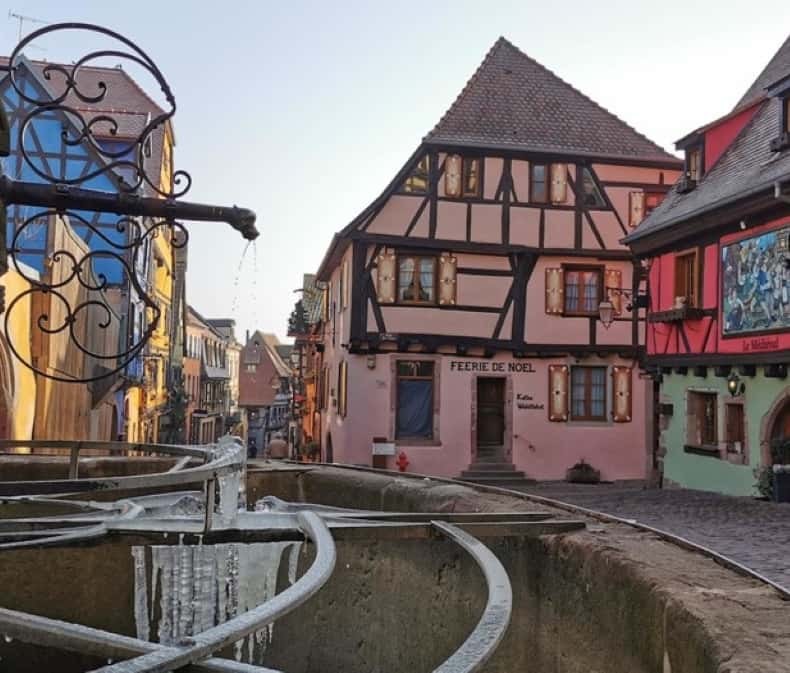
Alsace: Half-Day Wine Tour from Colmar
An afternoon from Colmar: Hunawihr, an hour in Riquewihr and up to ninety minutes underground, with six wines poured for you before you come back.
From $113 per person
Check Availability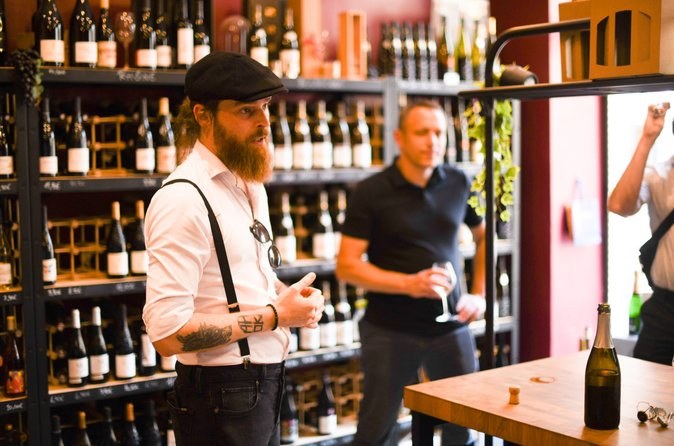
Private tasting: discovering Alsatian wines
Ninety minutes of tasting in central Strasbourg, your party only, meeting at the palace gates. No vineyard and no minivan, just the wine and a guide.
From $146 per person
Check AvailabilityNext: Find the one day that feeds you in the Alsace wine day with lunch. Every fare sits side by side on Alsace Wine Tours.