Alsace Wine: Grand Crus, Grapes and Cellar Tastings
Hours, prices and access verified by the Alsace Wine Tours team — last checked 2026-09-20.
Fifty-one grand crus, a handful of grape names on every label, and a strip of
hillside barely two kilometres wide in places. Before you book Alsace Wine guided tours,
here is what is actually in the glass and which slopes these days stop on.
Three appellations, and what each one means
Alsace works with three AOCs, and the CIVA — the region's wine council — defines them.
AOC Alsace covers the everyday wine of the region, and 90 per cent of it is white. AOC
Crémant d'Alsace covers the sparkling wine. AOC Alsace Grand Cru covers the named hillside
sites, and it is the one you will hear most about on a tour.
You will see all three on a cellar-door counter, often from the same grower. A tasting
that pours half a dozen wines usually takes you up that ladder, from a light everyday white
to a grand cru bottled from one slope. Your guide will tell you which is which; the label does
too, because a grand cru must name its site.
The 51 grand crus, and the ones these tours stop on
There are 51 Alsace Grand Cru appellations. The sites themselves were delimited between
1975 and 2007, their names were registered in October 2011, and the single grand cru
appellation was divided into 51 separate ones in the same year. Each is a named parcel of
hillside, from three hectares to eighty.
They are a small part of what Alsace makes: four per cent of production, at a base yield
of 55 hectolitres a hectare against the larger crop an everyday AOC Alsace is allowed. That
is the whole point of the system. Fewer grapes from one slope, and the slope's name on the
bottle.
The day tours do not tour the grand crus as such — they stop in villages, and the crus
are the hillsides above them. The full day out of Strasbourg names the most: Zotzenberg,
Kastelberg and Wiebelsberg at Mittelbergheim, Frankstein at Dambach-la-Ville, then
Geisberg, Kirchberg, Osterberg, Schoenenbourg and Sporen in the Ribeauvillé and Riquewihr
area. At Eguisheim, a village most Colmar days reach, the crus are Eichberg and
Pfersigberg.
Seven grapes, four of them grand cru
Alsace labels its wine by grape, which is unusual in France and makes a tasting easy to
follow. Four grapes are generally the ones permitted in a grand cru: Riesling, Muscat, Pinot
Gris and Gewurztraminer. The rest are everyday Alsace, and you will meet them first.
| Grape | Allowed in a grand cru | Colour | Where these tours pour it |
|---|
| Riesling | Yes | White | The Ophorus days out of Strasbourg, and the first tasting at Mittelbergheim |
| Gewurztraminer | Yes | White | The Colmar old-town walk, the four-village day and both Ophorus Wine Route days |
| Pinot Gris | Yes | White | The Colmar old-town walk; the Ribeauvillé area pours it |
| Muscat | Yes | White | Named around Ribeauvillé and Riquewihr on the full day |
| Sylvaner | No | White | In the first tasting at Mittelbergheim |
| Pinot Blanc | No | White | In the first tasting at Mittelbergheim |
| Pinot Noir | No | Red | The cave stop on the four-village day from Colmar |
Pinot Noir is the only red in the list, and the only red you are likely to be poured
here. If you want to be sure of tasting a particular grape, say so when you arrive — the
tastings on these days are poured by a person, not a machine, and growers are used to the
question.
Want the tasting inside the price?
Most days here put the pouring in the fare and drive you between the cellars, so nobody in your party has to stay sober for the road.
Mittelbergheim, Dambach-la-Ville, Ribeauvillé and Riquewihr
Mittelbergheim sits under Mont Sainte-Odile at the northern end of the route, and the
listing that stops there says the soils suit Riesling. The village's Renaissance town hall
holds the Weinschlag, a collection of vineyard and wine records going back to 1510, and
there is a small museum of winegrowing beside it. Its wine trail starts from the Zotzenberg
car park and is open all year.
Dambach-la-Ville, a few minutes south, is walled and gated and has one grand cru,
Frankstein. Ribeauvillé and Riquewihr are the pair at the heart of the route, three and a
half kilometres apart, and between them they hold five grand crus. Riquewihr's own wine
trail leaves from Rue de la Piscine beside the Auberge du Schoenenbourg; in summer a grower
sometimes leads it, and a tasting follows.
The growers the full-day listing names are the Trimbach family, making wine since 1626,
and the Hugel family, since 1639. Those are the operator's figures rather than ours, and
you will hear the same two names in most cellars around Riquewihr.
Organic and biodynamic estates on this route
Two of the estates you can visit here work without conventional chemistry, and both say
so in their own listings. The family estate at Gertwiller dates to 1778, its cellar to 1850,
and it converted the whole property to organic production in 2020. Its cellar also holds a
barrel built for the 1900 World's Fair.
The guided vineyard walk near Colmar is led by a specialist vineyard guide who explains
biodynamic growing in the rows themselves, then takes you through the vat room and the
cellar before pouring six wines. If the way the wine is farmed matters to you, that is the
day to book: it is the only one that spends an hour walking in the vines.
What a cellar-door tasting is actually like
It is a counter, a grower or a member of the family, and a line of open bottles. You are
poured in order, usually from the driest and lightest upward, and you are told what you are
drinking as you go. A tasting on these tours runs from twenty minutes to about an hour;
where a listing gives a number, six wines is the most anybody pours.
Two things surprise visitors. First, there is no food: both Ophorus listings warn that in
France snacks are not usually served during a tasting, to keep the wine's flavour clean, so
eat before you go. Second, nobody is going to push a case on you — one estate states in
writing that there is no obligation to buy, and the rest behave the same way.
You can buy at the counter at the grower's own price, and most will pack a bottle for a
suitcase. What you cannot do is taste and then drive, which is the practical reason these
days exist at all. The visitor detail is on the visitor guide, and
the villages themselves are on things to do on the wine route.
Vineyard questions
What is an Alsace Grand Cru?
One of 51 delimited sites, each now an appellation in its own right, planted mainly to Riesling, Muscat, Pinot Gris or Gewurztraminer. They account for four per cent of what Alsace makes, on parcels of three to eighty hectares.
Which grand crus do these tours visit?
The full day out of Strasbourg works through three areas: Mittelbergheim, home to Zotzenberg, Kastelberg and Wiebelsberg; Dambach-la-Ville, home to Frankstein; and the Ribeauvillé and Riquewihr area, which holds Geisberg, Kirchberg, Osterberg, Schoenenbourg and Sporen. Eguisheim, on the four-village days, has Eichberg and Pfersigberg.
What is Crémant d'Alsace?
The region's sparkling wine, made by the traditional method and holding its own AOC alongside AOC Alsace and AOC Alsace Grand Cru. The four-village day from Colmar names it among the wines you can sample at the cave.
Will I be able to buy wine?
Yes, at the cellar door on any tour that visits an estate, usually at the grower's own price. One listing states plainly that there is no obligation to buy.
Where these facts come from
The appellations, the 51 grand crus, the permitted grapes, the yields and the 90 per cent
white figure are the CIVA's own, published at vinsalsace.com. The grand cru names, the
growers and what is poured come from the saved listings themselves. The village detail comes
from Les Plus Beaux Villages de France, which lists four of these villages. Prices for a tasting bought on the spot are not published by anyone, so
they are not published here.
Tours that pour at the cellar door
Eight hours given wholly to the Route des Vins, with three tastings in the fare and stops at Mittelbergheim, Dambach-la-Ville, Ribeauvillé and Riquewihr.
From $193 per person
Check Availability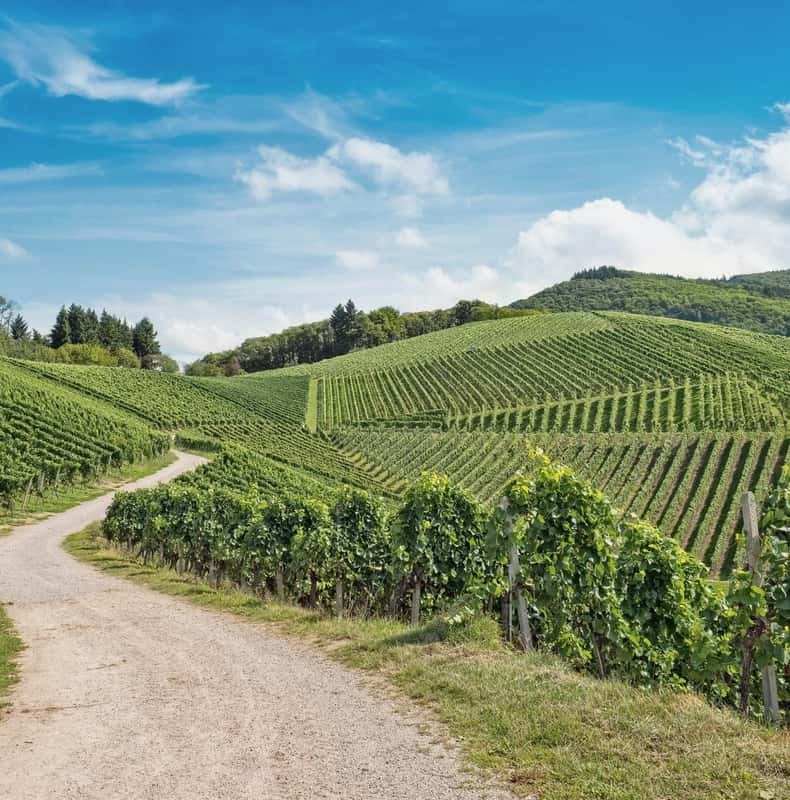
Three hours at one estate near Colmar: an hour in the vines, an hour in the cellar and the vat room, then six Alsace wines at the table. You arrive under your own steam.
From $65 per person
Check Availability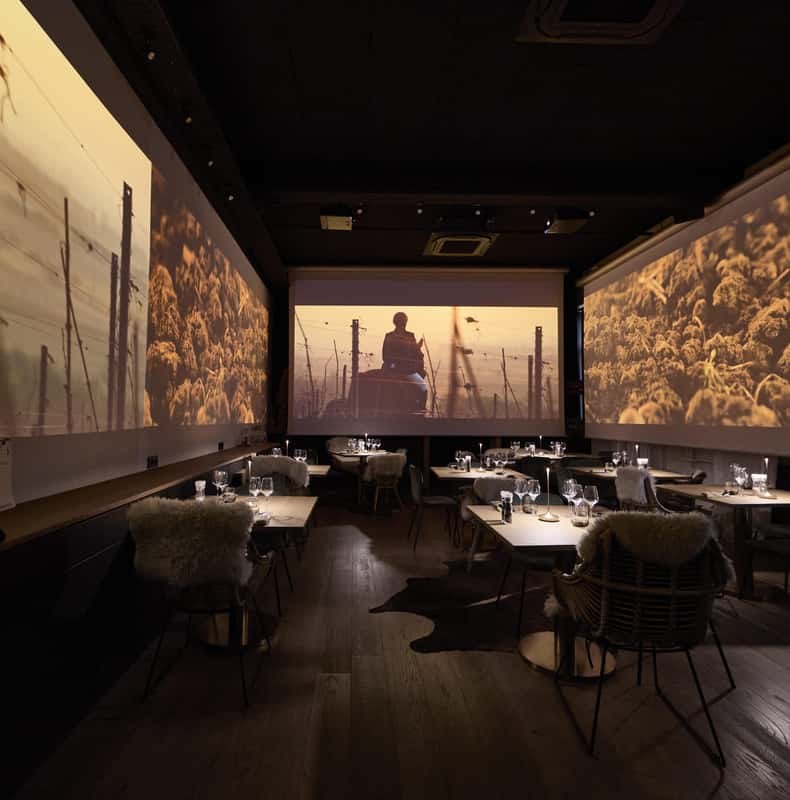
A family estate at Gertwiller: the cellar, the barrel built for the 1900 Paris World's Fair, a guided tasting and a meal with a wine beside each course. You make your own way there.
From $74 per person
Check Availability